

A deep plane facelift is a facelift technique that lifts the skin, the muscle layer beneath it, and the fat of the cheeks as one connected unit by releasing the ligaments that hold sagging tissue in place, then moving that tissue back up toward where it sat years earlier. This approach treats jowls, a softened jawline, and deep folds around the mouth by repositioning the deeper structures that have descended, rather than simply pulling the skin tight. Dr. Daniel Bienstock, a Cosmetic Surgeon at Bienstock Cosmetic Surgery, offers rhytidectomy in all of its forms, including SMAS and deep plane techniques, for patients across Long Island.
This guide explains how the deep plane approach works, how it compares to other options, who tends to be a good fit, and what recovery looks like.
The answer to the question “What Is a Deep Plane Facelift?” starts with how the face ages. On our facial procedures page, we describe the face as aging in layers. Skin, muscle, fat, and bone all shift over time. Correcting those changes takes more than a single technique, and the deep plane facelift is one way to address several layers at once.

As we age, the cheek fat pads slide downward. The jawline loses its crisp edge as jowls form. Folds deepen between the nose and mouth. The skin also loses elasticity, but loose skin is often the result of deeper sagging, not the cause of it. A deep plane facelift is built around that idea. It treats the deeper descent first so the skin can sit smoothly over a lifted foundation.
Every face has a layer of muscle and connective tissue just below the skin and fat. Surgeons call it the SMAS, short for superficial musculoaponeurotic system. This layer acts like a supportive sheet across the cheeks, jaw, and upper neck. When it sags, everything on top of it sags too.
Small, strong bands called retaining ligaments anchor the SMAS and the overlying tissue to the deeper structures of the face. Over time, the tissue around these ligaments loosens and drops, while the ligaments themselves stay tethered. This creates the hollows, folds, and heavy areas many people notice in their 40s, 50s, and beyond.
In a deep plane facelift, the surgeon works beneath the SMAS and releases these ligaments. Once they are freed, the skin, fat, and SMAS can move together as one composite unit. That unit is then lifted in a direction that follows the natural lines of facial aging, which is often more vertical than a traditional facelift pull.
The key difference is where the lifting force sits. The tension is carried by the deeper tissue, not the skin. The skin is moved along with the deeper layers, so it is not stretched on its own to hold the result.
Dr. Bienstock continues to refine his approach to this procedure. He recently took part in the American Academy of Cosmetic Surgery deep plane facelift workshop, where surgeons gathered to collaborate, exchange ideas, and sharpen their technique in one of the most discussed areas of facial rejuvenation.
The word “traditional” can mean different things depending on who uses it. In general, it refers to facelift methods that work above the deep plane. These include skin-only lifts and SMAS techniques, where the surgeon tightens or folds the SMAS layer without fully releasing the ligaments beneath it.
Here is how the approaches differ in practical terms:
Layer treated: A skin-only lift tightens the outer layer. A SMAS lift tightens the muscle layer from above. A deep plane lift releases and moves the SMAS, fat, and skin together.
Direction of lift: Traditional lifts often pull more toward the ear. A deep plane lift can reposition tissue more upward, which helps restore cheek volume and soften the fold between the nose and mouth.
Skin tension: Because the deeper tissue carries the load in a deep plane lift, the skin tends to rest with less tension at the incision line.
Midface reach: Releasing the ligaments lets the surgeon address the cheek and the area beside the nose more directly than many superficial techniques allow.
A SMAS facelift is still a strong choice for many patients. Some faces need less repositioning, and a SMAS approach may match their anatomy well. Since Dr. Bienstock performs all rhytidectomy techniques, he can recommend the one that fits your face rather than steering every patient toward a single method. You can learn more about the full range of options on our Facelift.
Non-surgical treatments play an important role in facial rejuvenation, and we offer many of them. These include dermal fillers, neurotoxins, biostimulatory injectables, laser and chemical resurfacing, and Skin Tightening.
Each of these does something specific:
Neurotoxins relax the muscles that cause expression lines, such as forehead creases and crow’s feet.
Fillers restore lost volume and can soften folds or add shape to the cheeks and lips.
Biostimulatory injectables encourage the body to build collagen gradually.
Resurfacing improves skin texture, fine lines, and sun damage.
Skin tightening treatments can firm mild laxity.
What these options cannot do is release retaining ligaments or reposition tissue that has truly descended. When jowls are well established or the cheeks have dropped, adding volume alone can make the face look heavy rather than refreshed. That is the point where surgery becomes the more effective tool.
Non-surgical care and a deep plane facelift also work well together. Many patients use injectables or resurfacing after surgery to keep the skin healthy and maintain their result. Our team can help you decide which approach fits where you are today.
The most common concern we hear about facelifts is looking “done.” That windswept, overly tight appearance usually comes from pulling the skin too hard in the wrong direction. A deep plane facelift avoids this because the skin is not the structure doing the lifting.
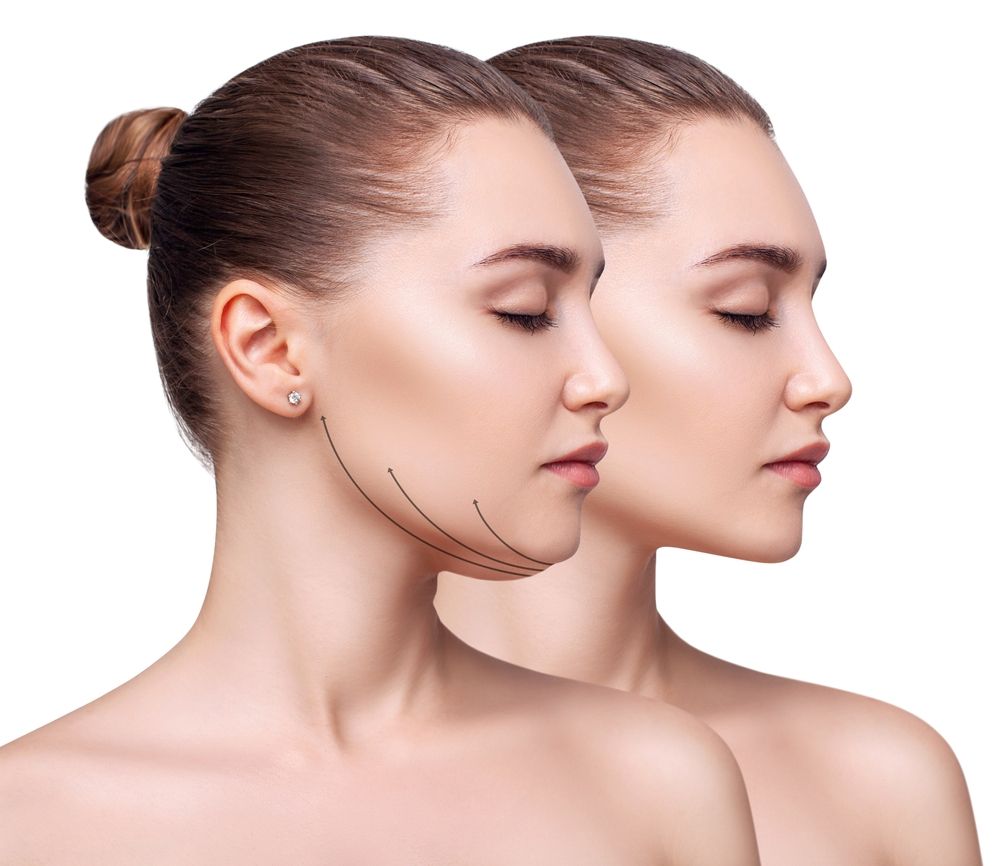
When the deeper tissue is moved as one unit, the face keeps its natural contours. Cheeks regain fullness in the right place. The jawline becomes defined without looking stretched. The corners of the mouth and the fold beside the nose soften because the tissue causing them has been lifted, not because the skin has been pulled flat.
The result is a face that looks like a rested, younger version of the patient. Friends and family often notice that you look better without being able to say exactly why. That is the goal Daniel Bienstock aims for with every facial procedure.
Because a deep plane facelift repositions the supporting structures of the face, the result tends to hold up well over time. Skin stretches more easily than the deeper layers. A lift that relies mainly on skin tension can relax sooner, while a lift anchored in the deeper tissue has a sturdier foundation.
No facelift stops the aging process. Your face will continue to change with time, genetics, sun exposure, and lifestyle. What a deep plane facelift does is reset the clock, so you continue to age from a more youthful starting point. Many patients find that years later, they still look noticeably younger than they would have without surgery.
The right procedure depends on your anatomy, your goals, and your overall health. A consultation with Dr. Bienstock is the only way to know for certain, but some general patterns can help you decide whether to explore this option.
Good candidates for a deep plane facelift often share several traits:
Moderate to significant midface and lower face sagging. This includes visible jowls, a blurred jawline, and deepening folds around the mouth.
Descended cheeks. If your cheeks look flatter or lower than they once did, the deep plane approach can lift them back into position.
Good general health. Patients should be healthy enough for surgery and anesthesia.
Non-smokers, or those willing to stop. Nicotine affects how tissue heals, so Daniel Bienstock will discuss this with you during your visit.
Realistic expectations. The goal is a refreshed, natural look, not a different face.
Age matters less than anatomy. Some patients in their 40s have enough descent to benefit from a deep plane lift, while others in their 60s may have aged in a way that suits a different technique.
Many patients also wonder whether they need a facelift, a neck lift, or both. A facelift focuses on the lower face, including jowls, cheek descent, and loss of jawline definition. A neck lift focuses on loose neck skin, muscle bands, fullness under the chin, and loss of the neck angle. Very often, the answer is both, because the face and neck age together. Dr. Bienstock also performs platysmaplasty and submental contouring, which can be combined with a facelift when the neck needs attention.
A deep plane facelift can work for many skin types because the lift does not depend on the skin’s strength. Still, skin quality shapes the final result and the plan.
Thin or delicate skin: Since the skin is moved with the deeper tissue and is not stretched on its own, patients with thinner skin may benefit from this approach.
Thick or heavy skin: Heavier tissue can be harder to lift with superficial methods. Repositioning the deeper layers can give more meaningful change in these faces.
Sun-damaged skin: Surgery lifts and repositions, but it does not erase spots, texture changes, or fine lines. Resurfacing or other skin treatments may be recommended alongside surgery.
All skin tones: People of every skin tone can be candidates. Dr. Daniel Bienstock will ask about how your skin has healed from past cuts or procedures, since this helps guide incision planning and aftercare.
For patients whose main concern is texture or mild laxity, our facial rejuvenation treatments may be a better first step. Daniel Bienstock will tell you honestly whether surgery is the right fit.
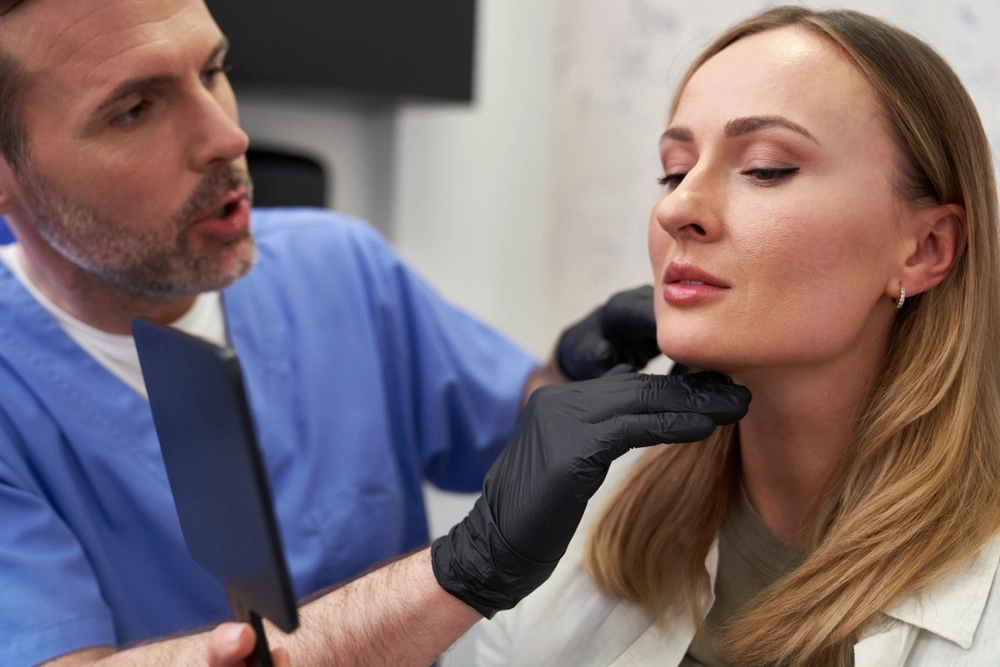
Every deep plane facelift is planned around the individual patient. During your consultation, Dr. Bienstock evaluates the layers of your face, discusses what bothers you most, and explains which techniques would address those concerns. You leave knowing which procedures he recommends and why.
A deep plane facelift is performed in a surgical facility under anesthesia, so you will be comfortable and asleep throughout. The surgery generally takes several hours, depending on whether other procedures are combined with it.
Many patients choose to pair their facelift with related procedures to create a balanced result. Common combinations include:
Neck lift or platysmaplasty to tighten the neck and refine the jaw-to-neck angle
Blepharoplasty to address heavy upper lids or lower lid bags
Brow Lift to lift a heavy or low brow
Fat grafting to the face to restore volume in areas that have hollowed
Combining procedures means one surgery and one recovery period. Dr. Bienstock will help you decide what makes sense for your face and goals.
Dr. Daniel Bienstock is fully fluent in Spanish, so Spanish-speaking patients can discuss their surgery plan and ask questions in the language they are most comfortable with.
A deep plane facelift involves working in a deeper layer of the face than a skin-only or standard SMAS lift. In that sense, it is a more involved surgery and requires a surgeon with detailed knowledge of facial anatomy.
That said, “deeper” does not always mean “harder on the patient.” Because the skin, fat, and SMAS are lifted together, the tissue stays connected as a thick, well-supported unit. The skin is not separated from the layers below across a wide area, which is common in some superficial techniques.
The overall experience for most patients is comparable to other facelift methods. The real difference lies in where the work happens and what it can accomplish.
Recovery is a process, and every patient heals on a slightly different schedule. Knowing what to expect helps you plan time away from work and social events.
Below is a general picture of how recovery often unfolds:
First few days: Swelling and bruising are expected and usually peak during this time. Tightness and mild discomfort are common and are managed with medication. Keeping your head elevated helps reduce swelling. Dr. Bienstock sees patients the day after surgery to check on healing.
First week: Swelling begins to ease. Stitches are typically removed during this period. Most patients rest at home and keep activity light.
Weeks two to three: Bruising fades and many patients feel comfortable returning to desk work and casual social outings. Light makeup can help cover remaining discoloration once incisions have healed.
Weeks four to six: Most patients can return to exercise and normal activities with Daniel Bienstock’s approval. Your face looks more natural each week.
Three months and beyond: Subtle swelling continues to settle. The final result usually becomes clear over several months and continues to refine for up to a year.
Following your aftercare instructions closely supports smooth healing. This includes sleeping with your head raised, avoiding strenuous activity until cleared, protecting your skin from the sun, and attending every follow-up visit.
Patients often ask whether a deep plane facelift means a longer recovery. In most cases, the timeline is similar to other facelift techniques. Most people feel ready for social settings in about two to three weeks with either approach.
Some patients notice more swelling in the cheek area early on, since the deeper work includes the midface. Others find bruising is lighter because the tissue stays connected as one unit. Experiences vary from person to person, and factors such as combined procedures, skin type, and overall health often matter more than the technique itself.
Dr. Bienstock will give you a recovery plan tailored to your surgery, so you know what to expect at each stage.
Facelift incisions are planned to blend with the natural shape of the face. They usually follow the hairline at the temple, curve along the front of the ear, wrap behind the earlobe, and continue into the hair behind the ear. When a neck lift is included, a small incision under the chin may also be used.
One advantage of the deep plane approach is how little tension rests on the skin at the incision line. Scars heal more finely when the skin is not being stretched to hold the lift. This also helps keep the natural position of the earlobe and hairline.
Scars appear pink or red at first, then gradually soften and fade over many months. Protecting incisions from the sun and following scar care guidance helps them mature well. Over time, most facelift scars become difficult to notice, especially once hair grows normally around them.
A deep plane facelift lifts the skin, fat, and muscle layer of the face as one unit by releasing the ligaments that hold sagging tissue down. This approach treats jowls, a softened jawline, and descended cheeks at their source, which supports natural-looking and long-lasting results. Recovery is similar to other facelift techniques, and incisions are placed to heal discreetly. Dr. Daniel Bienstock, a Cosmetic Surgeon who performs all rhytidectomy techniques, can help you decide whether a deep plane facelift, another facelift method, or a combined plan fits your face. To learn more about his background, visit our Dr. Bienstock page.