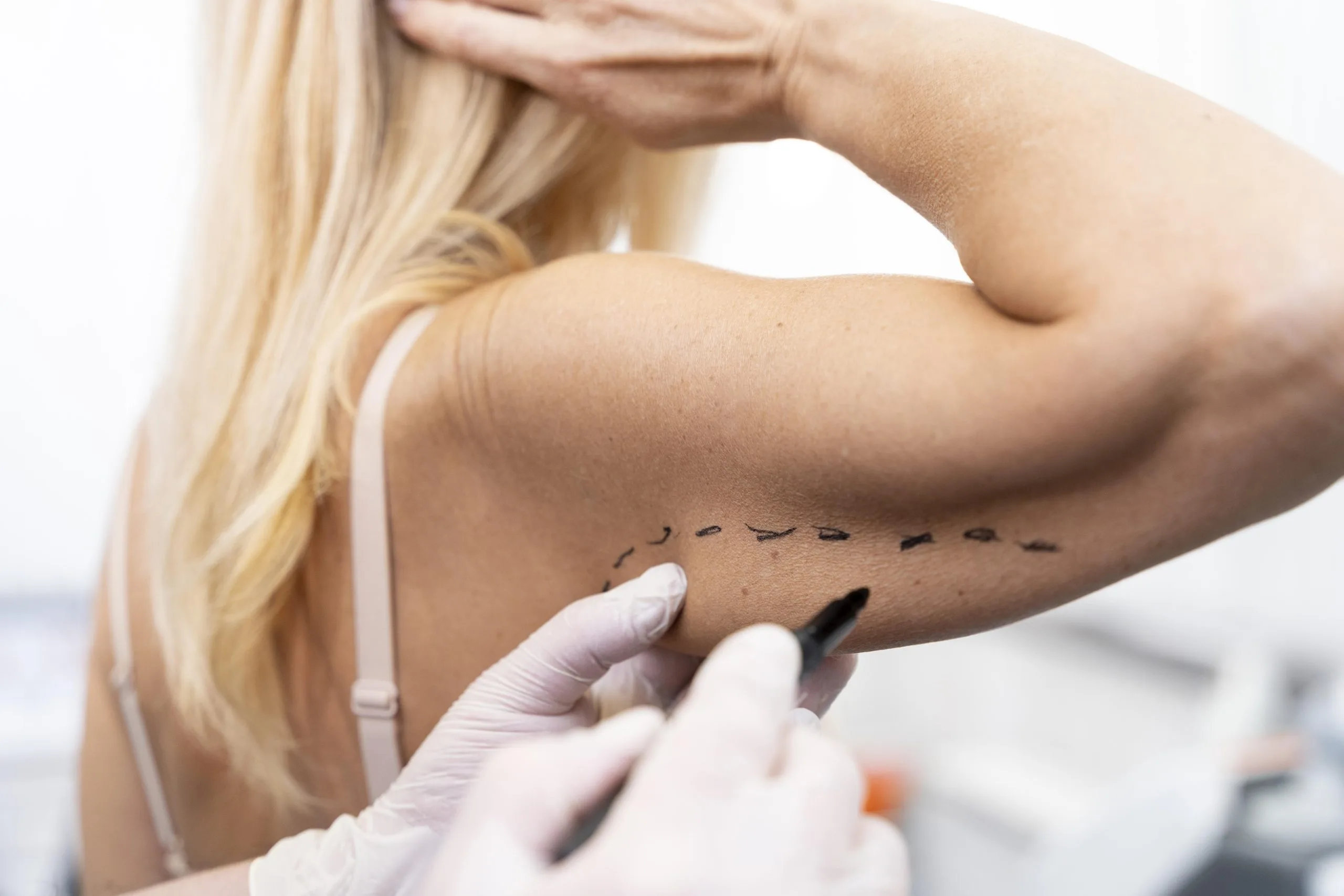
One of the most common concerns patients have before undergoing an arm lift is how painful the procedure and recovery will be. While it is natural to expect some level of discomfort, most patients find that the experience is manageable and improves steadily as healing progresses. Understanding what the sensation feels like and how it is controlled can help set realistic expectations before surgery.
An arm lift procedure is performed under anesthesia, which means you will not feel pain during the surgery itself. The goal is to ensure complete comfort while excess skin is removed and the underlying tissues are reshaped.
Dr. Daniel Bienstock carefully plans each procedure to minimize trauma to surrounding tissues, which plays an important role in reducing post-operative discomfort and supporting a smoother recovery.
The most noticeable discomfort typically occurs during the first few days following the procedure. Patients often describe the sensation as tightness or soreness rather than sharp pain.
This feeling is largely due to the removal of excess skin and the tightening of supportive tissues. Swelling can also contribute to a sense of pressure in the arms.
Pain is usually managed effectively with prescribed medications and proper rest. Wearing compression garments helps support the arms and reduces swelling, which can also improve comfort during this stage.
As the body begins to heal, discomfort gradually decreases. By the end of the first week, many patients report feeling significantly better, although some tightness and sensitivity may still be present.
Movement is limited during this time, and it is important to avoid placing strain on the arms. Gentle activity such as walking is encouraged to support circulation, but the focus remains on protecting the surgical area.
These changes indicate that the healing process is progressing as expected.
During the following weeks, pain becomes much less of a concern for most patients. The arms begin to feel more natural, and daily activities become easier to manage.
Some mild discomfort may still occur with certain movements, especially if the arms are stretched or overused. However, this is typically temporary and improves as the tissues continue to heal.
At Bienstock Cosmetic Surgery, patients are guided through this phase to ensure they return to normal routines safely without causing unnecessary strain.
Pain tolerance varies from person to person, but several factors can influence how an individual experiences recovery.
The extent of the procedure plays a role, as patients with more excess skin removal may experience slightly more discomfort in the early stages. Following post-operative instructions closely also has a direct impact on comfort levels.
Proper use of compression garments, limiting physical activity, and attending follow-up appointments all contribute to a smoother and less painful recovery experience.
For most patients, an arm lift is not considered highly painful when compared to other surgical procedures. The discomfort is generally described as manageable and short-term, especially with proper care.
The improvement in arm contour and reduction of excess skin often outweigh the temporary recovery experience. Patients frequently report that the results make the process worthwhile.
Dr. Daniel Bienstock focuses on both surgical precision and patient comfort, helping ensure that each individual has a positive and well-supported experience.
While an arm lift does involve some discomfort, it is typically manageable and improves steadily over time. From the initial tightness in the first few days to the gradual return of comfort in the following weeks, the recovery process is structured and predictable. At Bienstock Cosmetic Surgery, patients receive detailed guidance and personalized care, helping them move through recovery with confidence and achieve refined, long-lasting results.
About the Author
Meet Dr. Daniel Bienstock
Surgical Precision and Artistic Excellence
Let's Start Your
Transformation Today.